
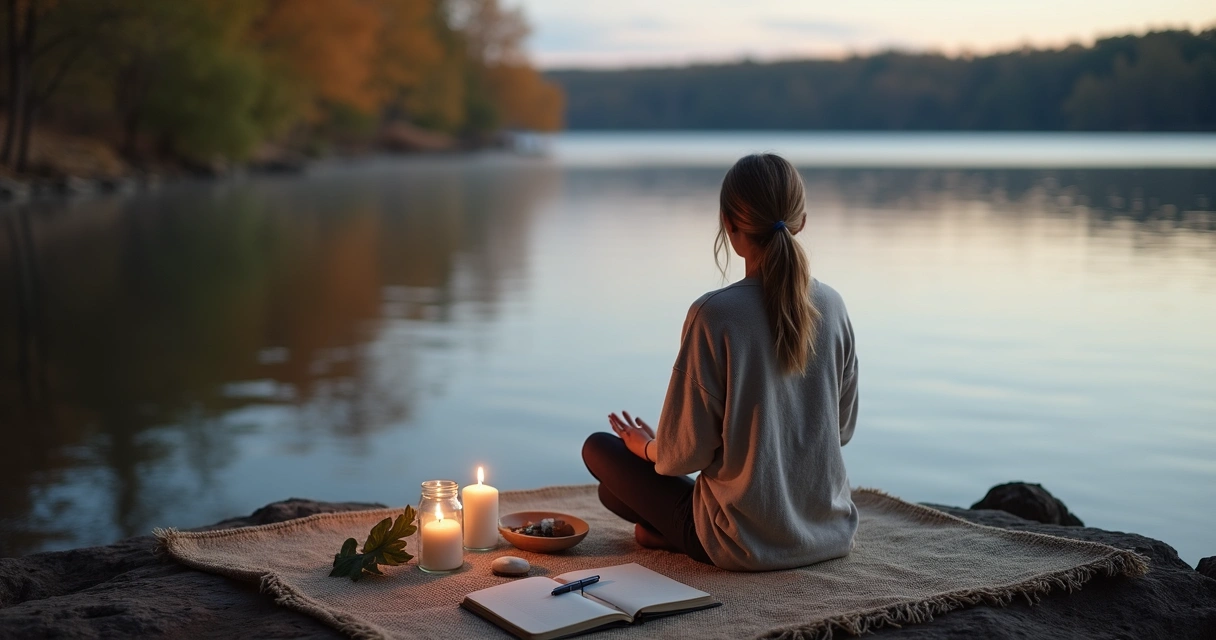
Life is full of turning points. Some are expected, like the shift of winter into spring. Others arrive quietly but change us for good. Rituals can help us honor these transitions, creating time and space for reflection and new intentions. Through meaningful rituals, we don't just witness change—we participate in it, shaping our journey at every stage.
Why seasonal changes call for ritual
We have watched how people often crave structure and meaning in moments of change. Rituals give us a way to pause, recognize what is ending, and welcome new beginnings. This is not only about birthdays or calendar new years. Seasonal changes happen in nature and in our lives—graduations, new jobs, retirement, becoming a parent, or grieving a loss. Each brings opportunities for growth.
From our experience, intentional rituals allow us to:
- Ground ourselves in the present
- Let go of what no longer serves us
- Courageously move onward with new clarity
- Strengthen connections with others—and with our inner world
But how do we create a ritual that truly feels meaningful and not just routine? The answer often lies in attention to intention and personal spirit.
Step 1: Recognize the moment of transition
Before a ritual can begin, we need to see that a threshold is present. Often, we rush past these moments. We notice a new season only when the weather shifts, or notice a birthday only with a party.
We encourage you to quietly ask: What is truly shifting in my life right now? Sometimes, it is a visible event—a move, a change in relationship, the end of a project. Sometimes, it is an inner shift: an attitude softening, a new perspective, a sense of readiness.
Acknowledging this moment is the foundation for an authentic ritual.
Step 2: Set an intention
All genuine rituals start with intention. This is the heart: the "why" beneath your action. When facing change, intention helps us stay connected to our deepest values.
Write down your intention. Keep it simple. For example:
- “I release the old and open to the new.”
- “I choose to grow during this season of change.”
- “I honor all that has brought me here.”
Intention guides the form and feeling of your ritual more than any external element.
Let your intention lead every step.
Step 3: Choose meaningful symbols
Human beings have always used symbols—objects, words, actions, or settings—to give form to the invisible. A candle, a leaf, a photograph, water—any of these can embody the theme of your ritual.
Select a small number of symbols that resonate with your intention. For a new season, you might use fresh flowers or write a letter to yourself. For letting go, you might choose to release a stone into a river or burn a note in a safe way.
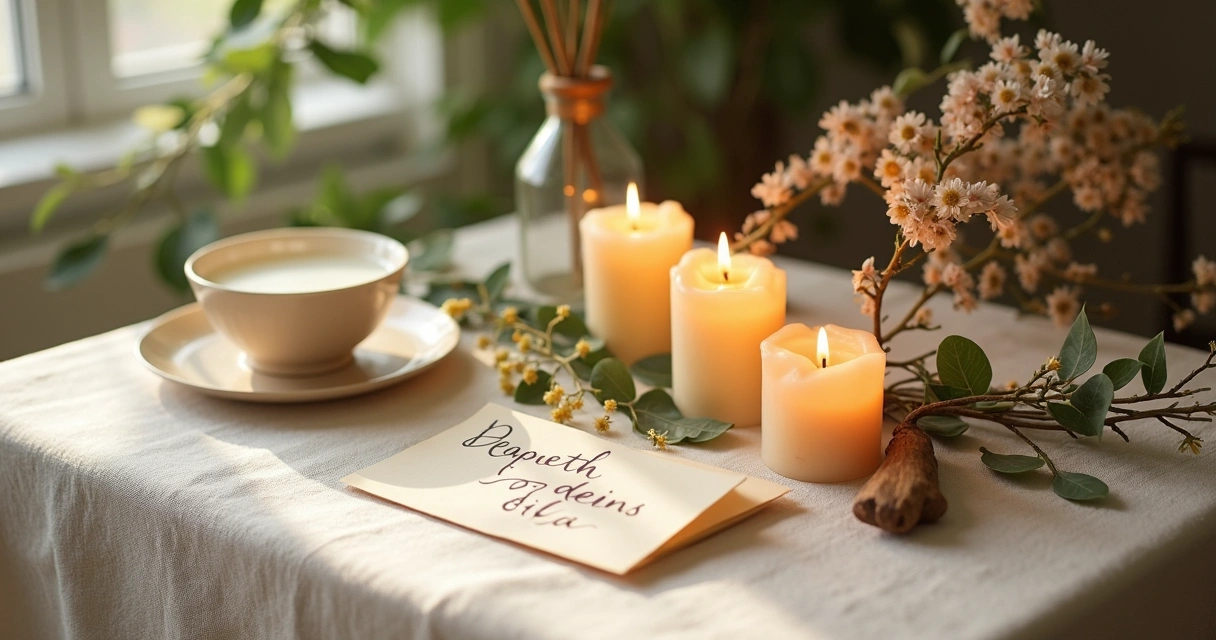
A good rule: if it feels meaningful to you, it is enough.
Step 4: Create sacred space
The setting shapes the experience. We believe you do not need to find a remote forest or visit a distant place. Often, preparing a quiet space at home is perfect. The key is intention—clean the space, light a candle, play soft music, or simply sit outside.
Turning off distractions invites your mind and heart to show up fully. This signals both the start and the importance of the ritual.
You might mark the space with flowers, gentle scents, or by rearranging familiar objects.
Step 5: Involve the senses
Meaningful rituals invite the body into the experience. Sight, scent, touch, taste, and sound all deepen memory and connection.
- Light a candle or incense
- Play music with special meaning
- Taste a favorite seasonal food or drink
- Wear clothes that feel special or comfortable
- Use touch: hold a rock, hug a loved one, plant seeds
Using the senses roots ritual in the present, making it tangible and memorable.
Step 6: Express, release, and receive
Ritual is both reflection and action. Here is where we move, speak, or create. Some choose to journal. Others sing, meditate, cry, or walk in nature.
If you are closing a chapter, let yourself feel the loss or relief. If you are stepping into something new, mark the moment—say words aloud, write them down, or move in a special way.
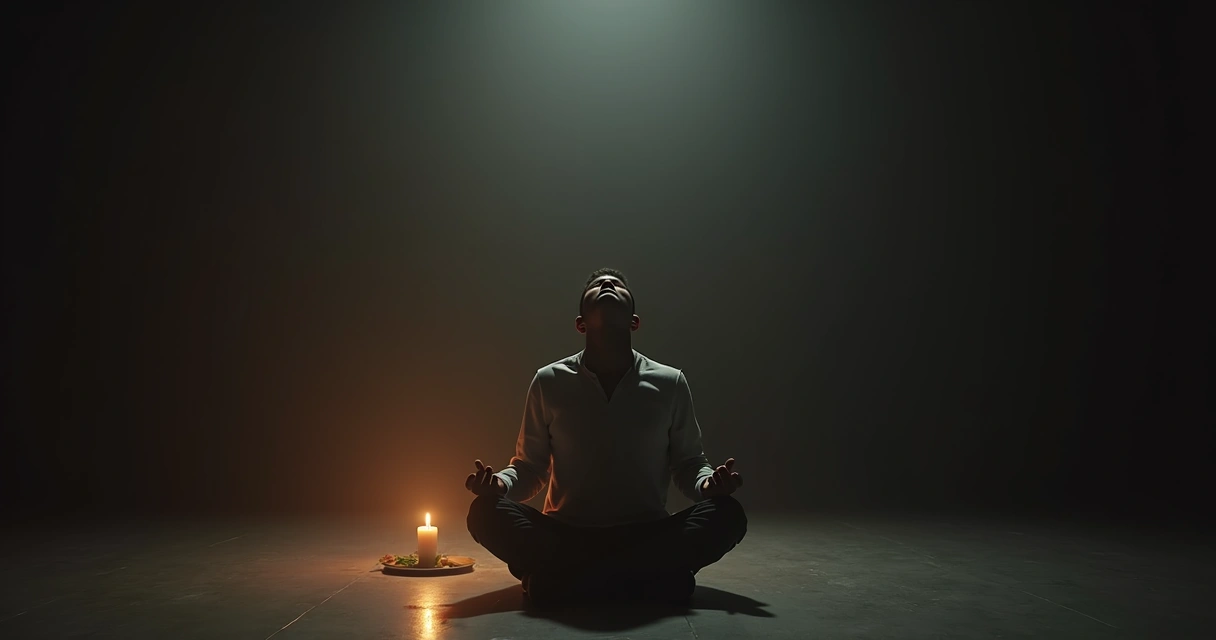
This step transforms intention into action, making the ritual real in body and mind.
If your ritual is shared with others, invite everyone to participate—each in their own way.
Step 7: Close with gratitude
Just as we opened the ritual with awareness, we close with gratitude. Thank yourself for creating time. Acknowledge those who witnessed or shared your ritual. You might write down a few words of thanks, say them aloud, or simply sit in silence for a moment.
Gratitude anchors the experience, signaling to your mind and body that you are ready to step forward.
Mark endings with gratitude, and beginnings with hope.
Making rituals part of your life
What makes a ritual memorable and deep is not its complexity, but the meaning we bring to it. When seasonal changes—outward or inward—move through our lives, having a ritual practice can keep us centered and growing.
We have created more in-depth guides for those wishing to continue, including our resource on meaningful rituals for seasonal changes and an in-depth life change rituals guide that offer practical tools and additional ideas for every stage of transformation.
The ritual you create is unique to you, shaped by your needs, desires, and spirit. Each season, you can start anew.
Frequently asked questions
What is a seasonal life ritual?
A seasonal life ritual is a series of intentional actions, often symbolic, that marks the shift from one life phase or season to another. These rituals can be personal or shared and help us recognize, honor, and respond to times of change—whether they are connected to nature’s cycles or our own life events.
How to create meaningful rituals?
To create a meaningful ritual, start by recognizing the transition you want to honor. Set a clear intention, choose symbols that have personal significance, prepare a special space, and involve your senses. Include an expressive activity and close with gratitude. Authenticity is key—shape the ritual in a way that feels right to you.
Why are rituals important for change?
Rituals help us process change with awareness and presence, turning abstract transitions into tangible moments of transformation. They support emotional balance, create space for letting go of what is past, and empower us to step into new opportunities with clarity and courage.
When should I start a new ritual?
A new ritual can be started whenever you notice a significant change in your life, feel the need to honor a new stage, or desire closure. Many people start rituals at moments of seasonal, personal, or social transition, but the best time is when it feels meaningful for you.
Can I customize the 7 steps?
Absolutely. The 7 steps offer a flexible structure, but the most meaningful rituals are adapted to fit your unique context and intention. Feel free to adjust, combine, or skip steps as needed. Personalizing the process ensures that your ritual feels authentic and aligned with your values.