
Workplace changes often stir our emotions, challenge our beliefs, and alter our routines. Whether it's a new manager, shifting roles, or unexpected restructuring, such transitions can leave us feeling unsteady inside. Yet, we believe inner peace is not only possible during change—it can even grow stronger. Based on our experience and research, we want to share seven practices that genuinely help us sustain our calm and clarity, even when the ground seems to move beneath us.
Understanding the roots of workplace turmoil
Before we discuss the practices, we need to acknowledge why workplace changes spark discomfort. Our minds naturally seek predictability. Sudden shifts disrupt patterns that help us feel secure and competent. Stress rises, and our inner dialogue may become anxious or negative.
We've observed that when we focus only on what’s changing outside, we lose touch with what keeps us steady. The real source of inner peace comes from within, not from external stability. With this in mind, here are the practices we've found most effective.
1. Intentional breathing: creating space for calm
It may sound simple, but conscious breathing is a powerful anchor. During stressful meetings or when news of change arrives, pause for a few mindful breaths. Inhale slowly through your nose, counting to four, then exhale just as slowly. Doing this a few times signals your nervous system that you are safe, which helps soften the stress response.
One steady breath can shift your whole mindset.
By repeating this practice throughout the day, we create pockets of calm that support clear thinking and grounded reactions.
2. Mindful acceptance: embracing what is
When we resist change, our minds tire in a fight they cannot win. By practicing mindful acceptance, we start to open up space inside. Notice what is happening in the present moment—your feelings, your thoughts, your body's signals—without trying to change or judge them.
This does not mean giving up or agreeing with everything around us. We allow ourselves to say, “This is happening now, and it's okay to feel how I feel.” Accepting doesn't mean liking the situation but choosing not to add extra suffering on top of what is already there.

3. Emotional labeling: naming your feelings
Change stirs up a mix of emotions, often all at once. We've found that simply naming what we feel helps to lessen the grip of anxiety or fear. For instance, quietly say to yourself: “I feel uncertain.” Or “I notice frustration.” Try not to judge or argue with your feelings. Just name them.
This practice is like shining a light in a dark room. Suddenly, our emotions become less overwhelming and more understandable. Research shows that emotional labeling can even quiet the brain areas associated with fear and distress.
4. Clarifying your needs and healthy boundaries
Understanding what we need makes it easier to navigate workplace shifts. Ask yourself: What helps me feel supported at work? When do I need to take a break, ask for clarity, or set limits on how much I take on?
When we set gentle boundaries, we protect our energy and focus. It may be as simple as making time for lunch away from your desk or politely declining extra projects when you need space. Saying no to what drains us makes room for what truly fosters inner peace.
5. Re-centering rituals: building anchors into your day
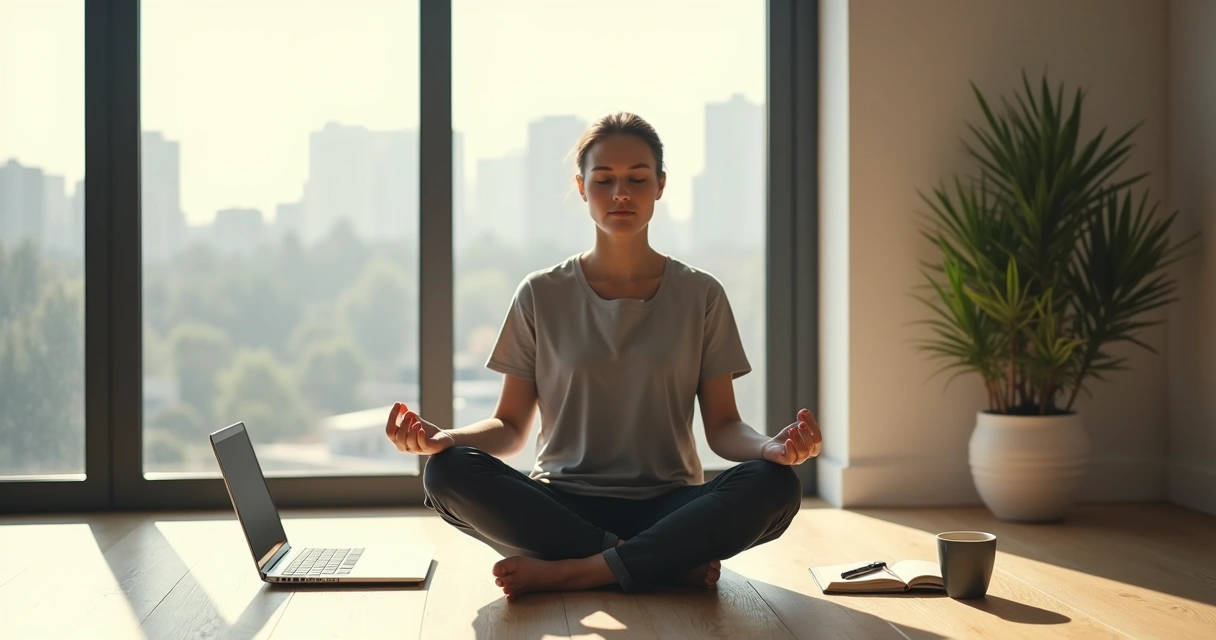
We thrive with rhythm, especially when the outside world feels unpredictable. Small rituals—like a morning walk, a quiet cup of tea, or a brief meditation—can be powerful anchors. Choose one or two simple habits you can return to each day, no matter what changes around you.
These rituals give our nervous system a sense of safety and create a familiar space where inner peace can return. Having even five minutes in your routine that is just for you can change how you respond to stress.

6. Connecting with others: finding support and understanding
Humans are wired for connection. During periods of uncertainty, reaching out matters more than we might think. Take the time to talk with a trusted friend or colleague. Share how you are coping, and offer a listening ear in return. These conversations remind us that we are not alone and help us process what we are experiencing.
If your organization offers support groups or safe discussion spaces, consider joining. Sometimes, even learning that others share our uncertainty helps us accept our own.
We invite you to find more practices for maintaining a sense of calm during workplace shifts by visiting our workplace change tips page.
7. Realigning with personal purpose and values
When change feels like it is pushing us off course, we gently come back to our deeper purpose. Ask yourself: What matters to me? What qualities do I want to bring to my work, regardless of the situation?
Reflect on a recent choice or action that made you proud, even if it was small. This helps connect our daily behaviors with who we want to be in times of change. Holding on to our core values brings a sense of direction and quiet strength, no matter the storm around us.
If you want to read further about nurturing this inner state, we offer a dedicated resource on finding inner peace.
Staying present in the face of change
Each of these practices points in the same direction: toward presence. The more we come home to each moment, the less power change has to shake us at our core. We cannot control every twist, but we can influence how we meet them, moment by moment.
We can’t stop the waves, but we can learn to float.
Conclusion: Turning change into an opportunity for growth
Sustaining inner peace during workplace change is not about ignoring our emotions or pretending all is well. It’s about welcoming the whole experience and responding with kindness, clarity, and courage. By practicing conscious breathing, mindful acceptance, emotional labeling, healthy boundaries, daily rituals, supportive connection, and returning to our values, we turn disruption into a space for growth.
In our view, change can be a teacher. With every challenge, we invite ourselves to grow more steady, present, and truly peaceful within. If we treat workplace transitions as a chance to learn about ourselves—what we need, care about, and can offer—inner calm becomes more than a distant wish. It becomes part of who we are, no matter what changes next.
Frequently asked questions
What is inner peace at work?
Inner peace at work is a sense of calm, clarity, and presence within ourselves, even when tasks, people, or situations around us feel uncertain or stressful. It means we can remain centered, make thoughtful decisions, and respond, rather than react, to challenges. This sense often grows when we honor our needs, maintain healthy boundaries, and stay true to our values—even during demanding moments.
How to stay calm during changes?
Staying calm during changes starts with small acts: mindful breathing, pausing before reacting, and gently accepting what is happening. We also suggest naming feelings, connecting with trusted colleagues, and establishing supportive routines. When we give attention to our bodies, emotions, and thoughts, we create a calm space inside, even during busy or uncertain times.
What are the best peace practices?
We recommend a mix of practices to nurture peace: Intentional breathing, accepting present emotions, naming what we feel, setting healthy limits, building daily rituals, seeking support, and aligning with personal values. Mixing these approaches helps us find what fits best for our unique personalities and situations.
How can I handle workplace stress?
Handling workplace stress involves recognizing when it shows up and responding with kindness. Take a breath, notice what you feel, talk with a friendly colleague, or step outside if possible. We find that having regular habits—like short breaks or a calming activity—can prevent stress from piling up. Remember, it’s okay to ask for help if you need it.
Is meditation useful at the office?
Meditation offers a simple tool to reset during a busy workday, helping us return to the present and soften anxiety or tension. Even a few minutes of focusing on your breath or repeating a calming phrase can bring more peace to your office experience. Some workplaces are starting to create quiet spaces for short meditations, showing that it can truly be effective.