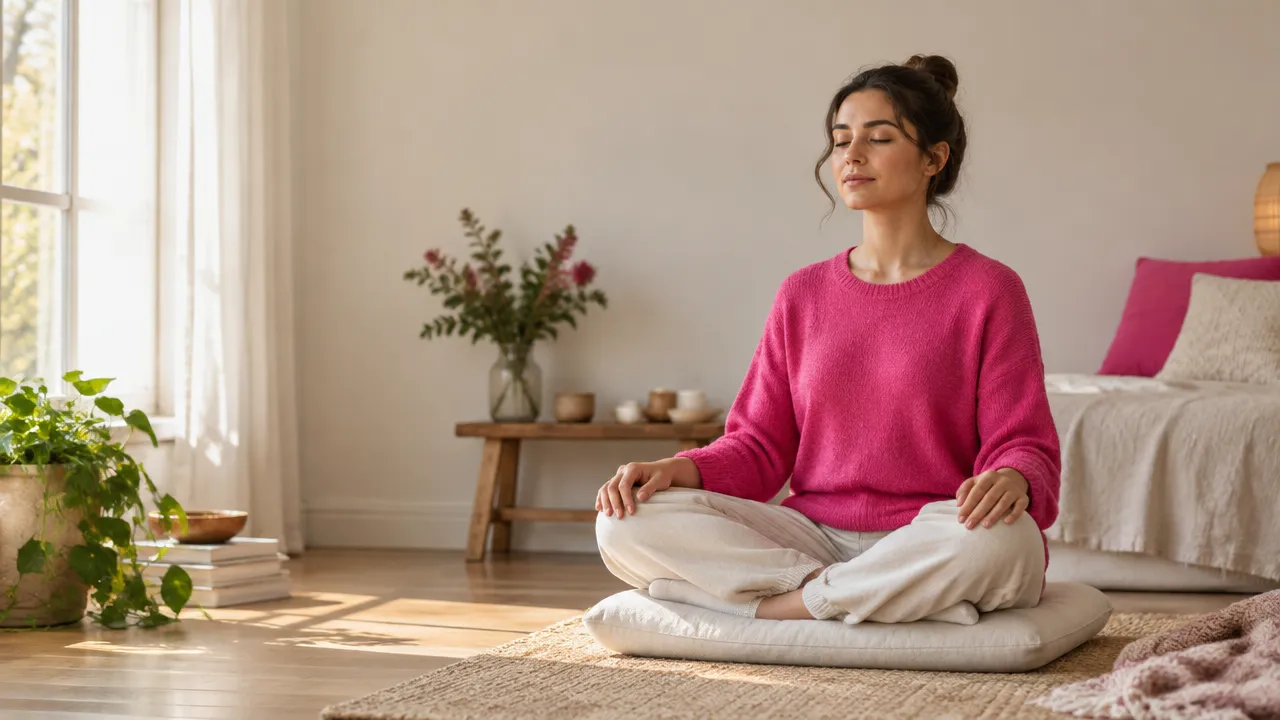
Meditation is a learnable way to practice attention and notice your inner experience without needing to clear your mind. This beginner-friendly guide offers a simple session, practical options for distractions, and a gentle plan for building a routine. The aim is not perfect stillness, but a little more awareness before you respond to thoughts and feelings.
Key points for a beginner’s practice
- Start with three to five minutes and one comfortable point of focus.
- When your attention wanders, gently return to your chosen anchor. That return is part of the practice.
- Choose a posture and style that feel accessible, rather than trying to achieve a special state.
- Build consistency gradually, and adjust or pause if the practice feels distressing.
How do you actually meditate?
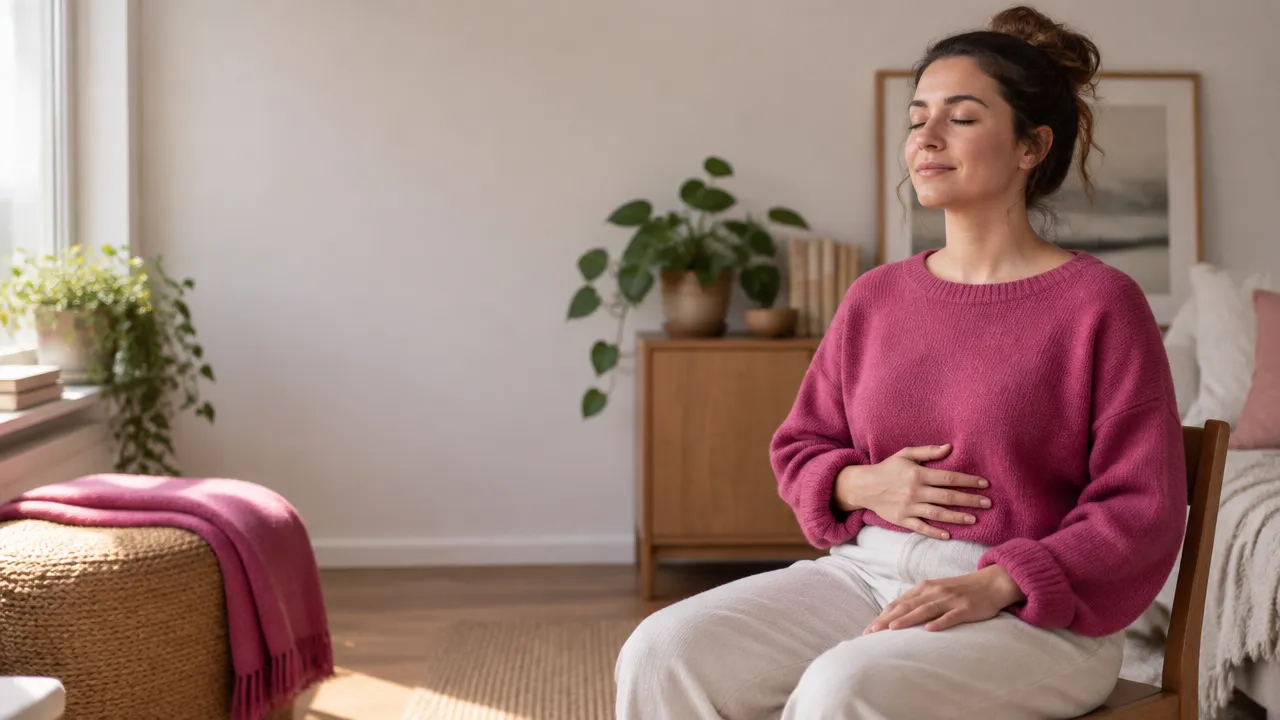
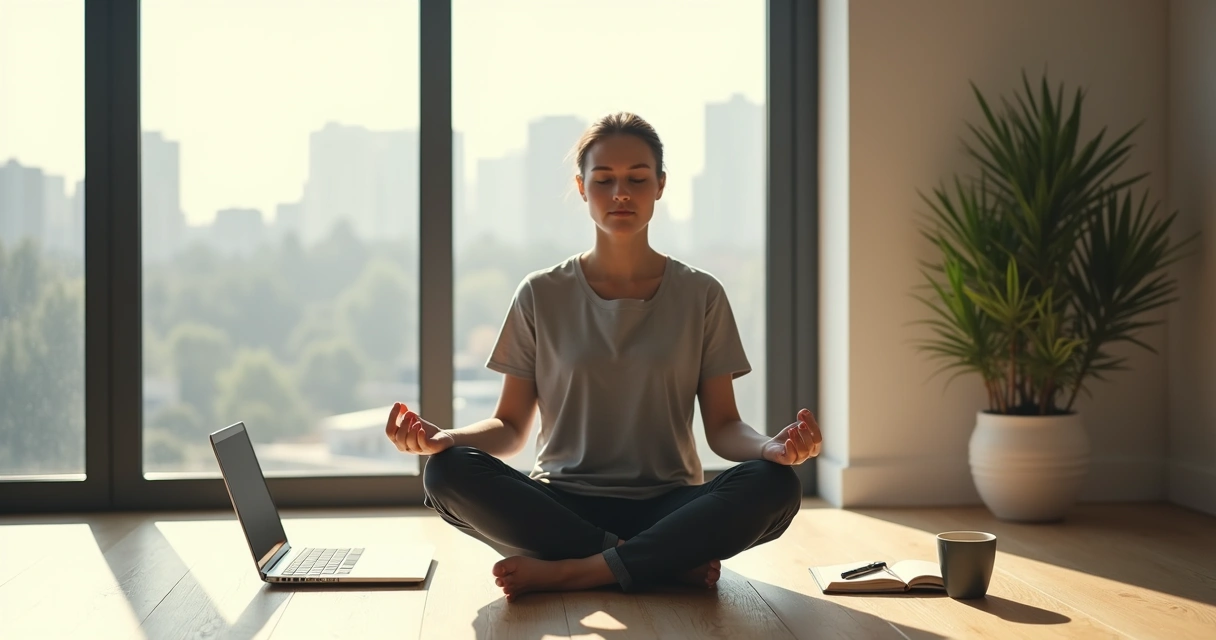
A short, repeatable routine is enough to begin. Sit on a chair or cushion, let your hands rest comfortably, and keep your back upright without making it rigid. You can close your eyes or soften your gaze toward the floor.
- Settle in. Notice the support beneath you and allow your shoulders and jaw to soften.
- Choose an anchor. Feel the breath at your nostrils, chest, or abdomen. You do not need to change its pace.
- Notice what happens. When a thought, sound, or sensation draws your attention, acknowledge it without judging yourself.
- Return gently. Bring attention back to the next breath. Repeat as often as needed.
- Close deliberately. After a few minutes, notice your body and surroundings before moving on.
This basic approach is one form of focused attention. If you want a more guided way to notice sensations, a body scan meditation practice can help you move attention through the body at a comfortable pace.
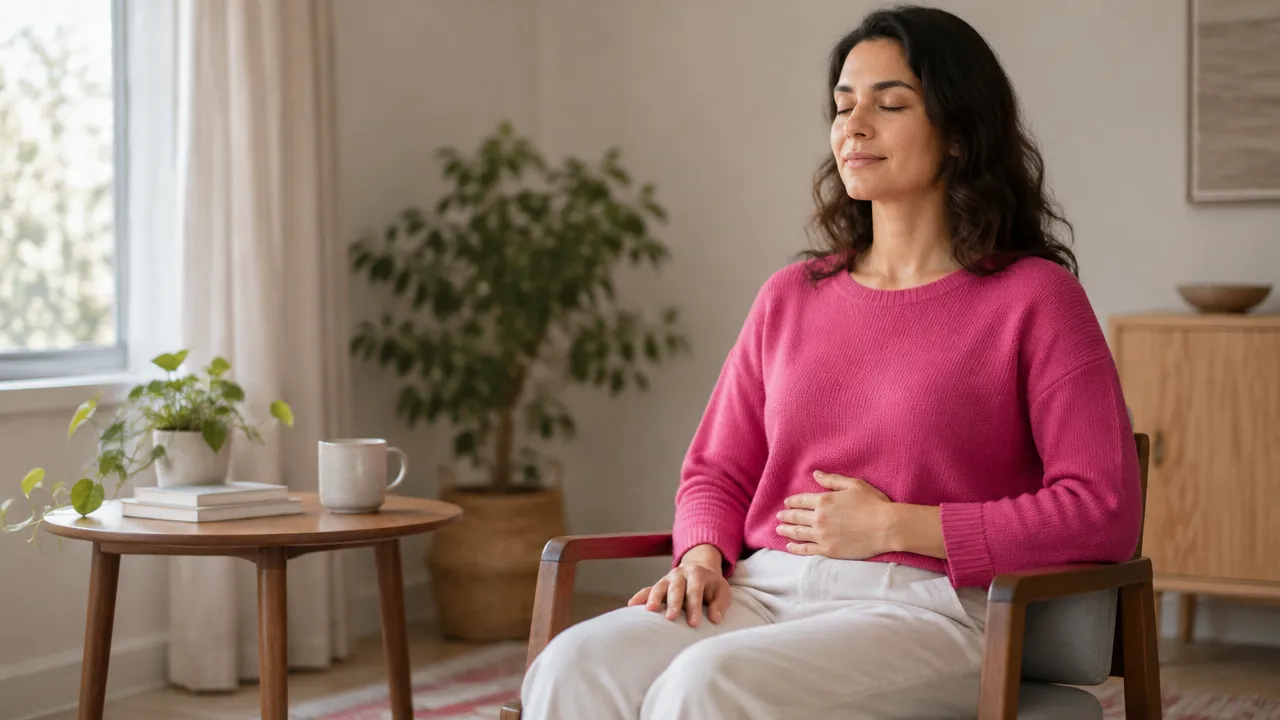
A wandering mind is part of the exercise
Your mind will probably wander. Noticing that it has wandered is not a mistake; it is the moment you become aware of where your attention went. Return to your anchor without scolding yourself or trying to force thoughts away.
You can silently name what is happening, such as “planning,” “remembering,” or “hearing,” then reconnect with the breath. Keep the label light. The goal is not to analyze every thought, but to recognize it and choose where to place your attention next.
If focusing on breathing feels uncomfortable, switch to a sound in the room, the feeling of your feet on the floor, or a slow walking practice. Beginners who prefer a practical, non-dogmatic approach may also find useful ideas in practical answers about mindfulness.
Choose a meditation style that fits your needs
There is no single method every beginner must follow. Start with the style that feels clear and manageable, then give it a few sessions before deciding whether it suits you.
- Breath awareness: Use the physical sensation of breathing as a steady anchor.
- Body scan: Notice sensations in different areas, without requiring them to change.
- Loving-kindness: Repeat simple wishes for well-being for yourself and others, if that feels comfortable.
- Walking meditation: Feel the steps and contact with the ground while moving at an unhurried pace.
- Guided meditation: Follow spoken instructions if silence feels difficult or you prefer a clear structure.
For a broader comparison of approaches, explore differences between meditation styles. Whichever you choose, treat it as a practice in awareness rather than a test of willpower.
Build a routine without making it another demand
A small, repeatable session is often easier to sustain than an ambitious plan. Choose a time you can usually protect, such as after waking or before lunch, and connect the practice to an existing daily activity.
- Begin with three to five minutes on most days.
- Use the same comfortable place when convenient, but remember that special equipment is unnecessary.
- After a week or two, extend the session only if it feels useful and manageable.
- If you miss a day, restart with the next opportunity instead of trying to make up for it.
Consistency does not mean never missing a session. It means returning to the practice with flexibility. Pairing a short session with a realistic cue can support simple daily habits for growth without turning meditation into another source of pressure.
What can meditation help with, and when should you adjust?
Meditation can offer a structured pause to notice attention, emotions, and bodily sensations. Some people use it to support relaxation or stress management, but results differ, and it should not be presented as a guaranteed treatment or a replacement for medical care.
The U.S. National Center for Complementary and Integrative Health notes that research on meditation covers varied practices and conditions, and that some findings remain preliminary. Its review of safety also describes negative experiences, including anxiety and depression, reported in some studies. Read its overview of meditation research and safety for context.
If quiet sitting feels uncomfortable, shorten the session, leave your eyes open, or use movement and external sounds as anchors. The Mayo Clinic describes practical ways to meditate in everyday settings. If distress is strong or continues, stop and seek guidance from a qualified health professional.
For a personal-growth perspective, the useful question is not whether you can stop every thought. It is whether a brief pause helps you notice an emotion or impulse before acting on it. That small moment of awareness can support more intentional choices in daily life.
Frequently asked questions
How do you actually meditate?
Sit in a stable, comfortable position and choose one anchor, such as the feeling of your breath. Notice each inhale and exhale without forcing it. When attention drifts, recognize that it has wandered and gently return to the anchor. Start with a few minutes, then finish by noticing how you feel.
What do you say while meditating?
You do not have to say anything. You can silently follow the breath, repeat a simple word such as “calm,” or use a brief phrase such as “May I meet this moment with patience.” Choose what feels natural, or use no words at all. The purpose is to guide attention, not perform a ritual.
What happens if you meditate for 20 minutes every day?
A daily 20-minute session gives you more time to practice returning attention, but it does not guarantee a particular result. Your experience can vary with sleep, stress, health, and the type of practice. A comfortable, consistent session is more useful than forcing a duration that leaves you tense or discouraged.
Can meditation make anxiety worse?
It can feel uncomfortable for some people. If meditation repeatedly intensifies anxiety, panic, distressing memories, or a sense of disconnection, stop or shorten the practice and try an eyes-open, movement-based option. Seek guidance from a qualified health professional if symptoms persist, and do not use meditation as a substitute for needed care.