Breathwork is the intentional use of breathing patterns to support attention, relaxation, or emotional awareness. For beginners, gentle and comfortable breathing is usually a better starting point than intense techniques or long breath holds. This guide explains what may help, how to try a simple practice, and when to pause.
Key takeaways for a useful, low-pressure practice
- Start with a natural, unforced breath and a brief practice.
- Use the exercise to notice your state, not to demand an instant result.
- Slow breathing may help some people feel calmer, but effects vary.
- Stop if you feel dizzy, panicky, numb, or unwell.
- Breathing exercises can complement care, but they do not replace treatment for a health condition.
How intentional breathing can influence your state
Breathing offers a practical point of attention because it happens automatically, yet can also be adjusted voluntarily. A slower, comfortable rhythm may influence physical arousal and help redirect attention away from spiraling thoughts. The effect is not a guaranteed reset, and one breathing pattern will not feel right for everyone.
Research is promising but should be interpreted carefully. In a 2023 randomized study, participants practiced brief structured breathing exercises daily for 28 days. The cyclic-sighing group showed improvements in positive mood and respiratory rate, but one study cannot establish that every technique works for every person or treats a clinical condition. The randomized breathing-practice study offers a useful example of emerging evidence, not a reason to force a particular method.
For everyday use, think of breathing as feedback: notice whether your body feels more settled, unchanged, or more activated. Pairing that awareness with mindful breathing during conflict can help create a pause before responding, without expecting a breath to solve the underlying issue.
Which breathing practice should you try first?
Choose a simple method that matches your immediate goal, and keep the breathing comfortable. You do not need to use a complicated count or hold your breath to benefit from noticing your breathing.
| Practice | How to try it | Useful when |
|---|---|---|
| Gentle belly breathing | Let your abdomen and lower ribs move naturally as you breathe. | You want to notice tension or settle into a pause. |
| Easy paced breathing | Breathe in comfortably, then let the exhale last slightly longer, without straining. | You want a steady rhythm before a meeting or after a busy moment. |
| Box breathing | Use equal, short counts for inhaling, exhaling, and any pauses only if they feel easy. | You prefer a structured focus exercise and are comfortable with pauses. |
If counting makes you tense, skip it. A comfortable, ordinary breath is a valid practice. For a broader approach to presence and emotional awareness, explore how mindfulness can support emotional intelligence.
A two-minute breathing practice for beginners
This short routine prioritizes ease over intensity. Sit with your feet supported, loosen any restrictive clothing, and let your breath remain quiet. The aim is to observe and gently guide the rhythm, not to take the biggest breath possible.
- Notice where you feel the breath, such as the nose, chest, or lower ribs.
- Inhale gently through your nose if comfortable, allowing the lower ribs to widen.
- Exhale slowly without pushing the air out. Let your shoulders and jaw soften.
- Continue for about two minutes, then return to ordinary breathing and notice how you feel.

If your attention wanders, bring it back to one sensation, such as the air at your nostrils or the movement of your ribs. If the exercise feels uncomfortable, stop and breathe normally. You can also use a brief pause to identify an automatic reaction before choosing what to do next, as described in this guide to changing automatic emotional responses.
What well-being benefits are realistic?
Breathing practices may offer a low-cost way to build a pause, focus attention, and experiment with self-regulation. Some people find a gentle rhythm useful before sleep, during a stressful transition, or when they want to become more aware of their emotional state. Benefits depend on the person, the method, and the situation.
It is more accurate to say a practice may support relaxation than to promise it will cure anxiety, depression, asthma, or another condition. Breathwork can sit alongside professional care, but it should not replace a treatment plan. If mindful practices are new to you, a beginner mindfulness routine can help you build consistency without turning practice into another performance goal.
When should you pause or seek guidance?
Stop the exercise and return to natural breathing if you become dizzy, tingly, short of breath, panicky, or otherwise uncomfortable. Forceful, rapid breathing and long breath holds can feel overwhelming, especially for someone who is new to the practice. Do not practice intense breathwork while driving, in water, or anywhere a sudden change in how you feel could put you at risk.
If you have a respiratory or cardiovascular condition, are pregnant, have a history of panic or trauma, or are unsure whether a technique is suitable, ask a qualified health professional for guidance. A responsible instructor should explain the method, invite you to stop or modify it, and avoid promising medical results. The safest practice is one that respects your limits and supports your awareness rather than overriding it.
Frequently asked questions
What is breathwork in therapy?
In therapy, breathwork means using guided breathing exercises to notice and influence patterns of attention, tension, and emotional response. A therapist may use gentle breathing to support grounding or emotional awareness, but it is not a substitute for mental health treatment. The method should be adapted to the person’s needs and comfort.
What is a simple belly breathing exercise?
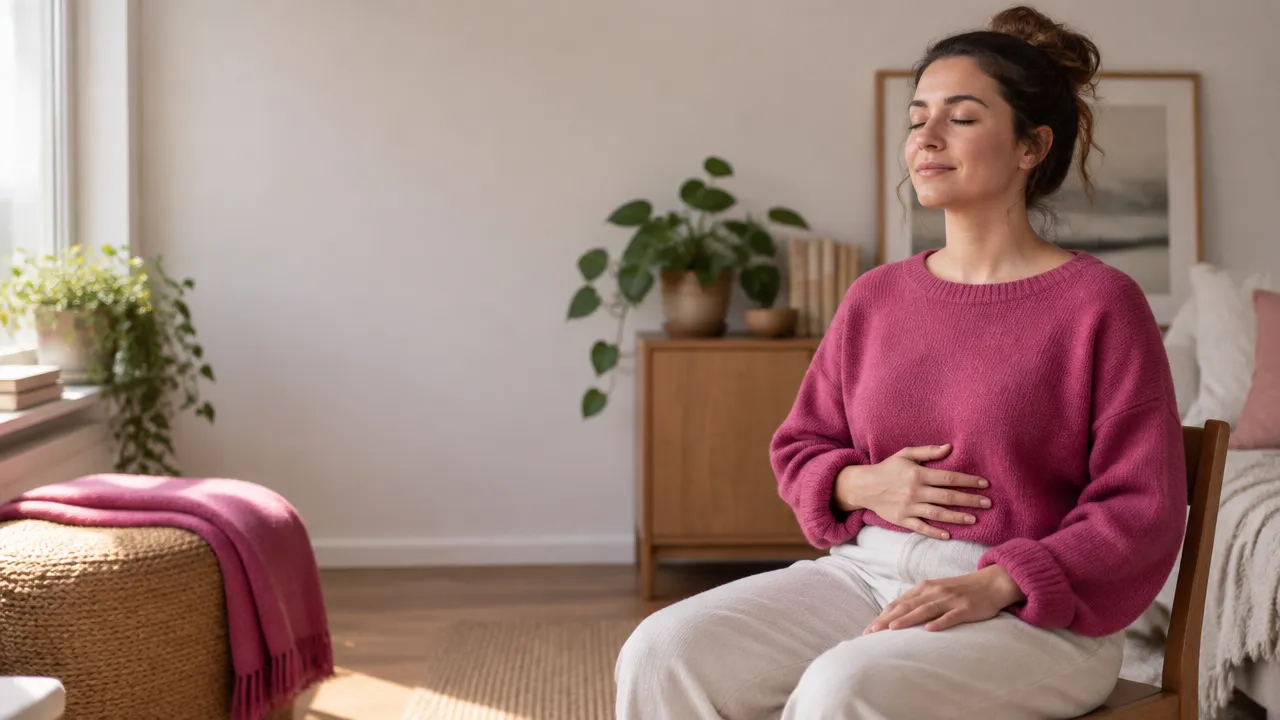
Sit comfortably and place a hand on your abdomen. Breathe in gently through your nose, allowing your lower ribs and belly to expand without forcing them. Then exhale slowly and let the muscles soften. Continue for one or two minutes, returning to normal breathing if you feel dizzy, tense, or uncomfortable.
Can breathing exercises stimulate the vagus nerve?
Slow, comfortable breathing may support the body’s calming response, which involves the autonomic nervous system, including the vagus nerve. It is more accurate to describe breathing as influencing regulation than as directly stimulating or fixing the nerve. Avoid forceful techniques, and seek medical advice for persistent symptoms.
Is breathwork safe for beginners?
Gentle, unforced breathing is a reasonable starting point for many people, but breathwork is not comfortable or appropriate for everyone. Stop if you feel dizzy, panicky, numb, or unwell. People with relevant health conditions or a history of trauma can ask a qualified clinician about suitable approaches.
How often should I practice breathwork?
Start with one to five minutes when it fits naturally into your day, then notice how you feel rather than chasing a target. A short, comfortable practice repeated regularly may be more useful than an intense session. Pause or adjust the technique if it creates strain, dizziness, or distress.