

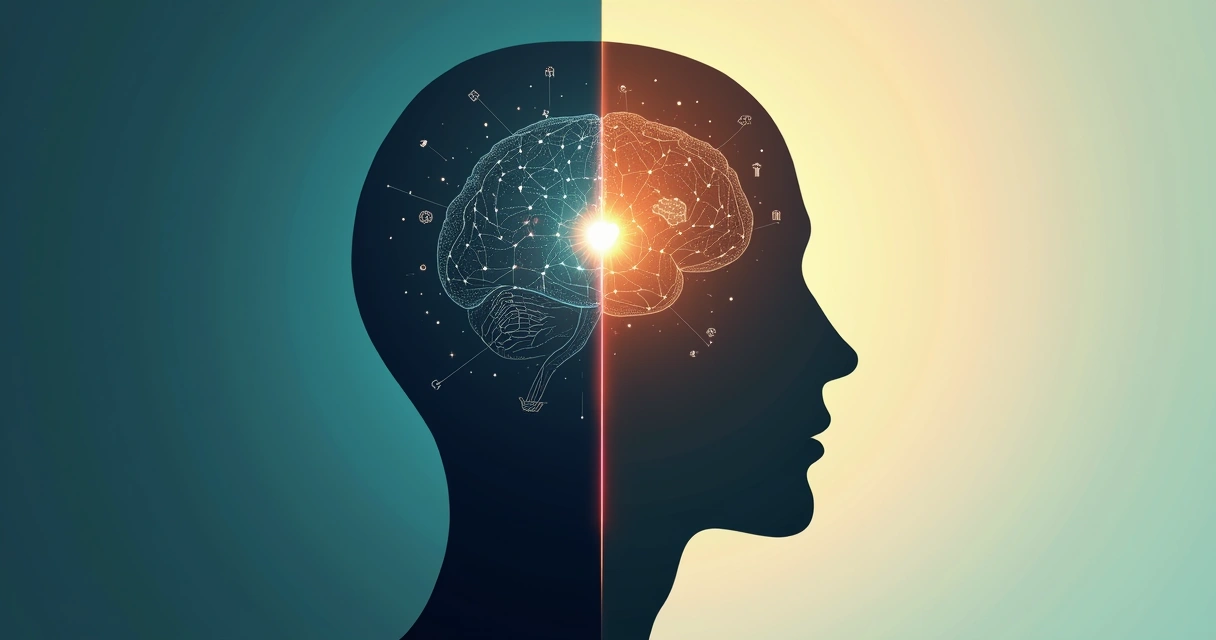
As we look deeper into human development, two terms appear again and again: emotional intelligence and mindset. Both shape our lives, our relationships, and our growth. Yet, they are not the same thing. At Awaken Your Consciousness, we often meet people who use these words interchangeably. That’s understandable, given how closely they work together. But if we really want to grow, it helps to know what sets them apart.
Understanding emotional intelligence
Emotional intelligence (also called EI or EQ) is the capacity to recognize, understand, manage, and use our own emotions—plus, to recognize and influence the emotions of others. It’s more than just being “nice” or “in touch” with feelings. We’ve seen time and again how those with high emotional intelligence navigate stress better, resolve conflict, and connect in deeper ways at work and at home.
- Self-awareness: Noticing and labeling what we feel as we feel it.
- Self-regulation: Managing our emotional reactions in difficult moments.
- Motivation: Learning to use emotions to pursue meaningful goals.
- Empathy: Reading and caring about the feelings of those around us.
- Social skills: Building trust, communicating effectively, and resolving problems with others.
Emotional intelligence is a set of learnable skills that help us handle our feelings and relationships with care and effectiveness.
We approach EI as a living process. Tools like the Marquesan Metatheory of Consciousness, as well as frameworks such as the 7 Pains of the Soul, break down emotional experience so we can understand what’s happening in ourselves—in real time. When we work on EI, it’s not just for ourselves. It ripples out into every area of life.
What is mindset?
Mindset is the collection of beliefs we hold about ourselves, our capabilities, and the way the world works. It’s the inner narrative we carry—sometimes subconscious, sometimes very present in our thoughts—that tells us what’s possible or impossible. Mindset is powerful. At Awaken Your Consciousness, we frequently come back to how a person’s outlook frames every experience.
Let’s talk about two basic types of mindset:
- Fixed mindset: The belief that people are born with certain abilities or qualities, and these cannot change much over time.
- Growth mindset: The view that skills, traits, and intelligence can improve with effort, learning, and time.
We see the difference every day. Someone with a fixed mindset might avoid challenges for fear of failure. Someone with a growth mindset will see each setback as an opportunity to learn, not just a defeat. This affects everything from work performance to self-esteem. Mindset acts as the filter through which we see our possibilities, limitations, and the meaning of our experiences.
If you’re curious about how mindset works and the impact it creates, we covered these distinctions in detail in our piece on the differences between types of mindset.

Emotional intelligence and mindset: The real difference
These ideas are close, but they do different jobs in shaping us:
- Emotional intelligence is about how we understand, use, and manage feelings.
- Mindset is the set of beliefs we have about ourselves, our abilities, and the way life works.
If you picture your life as a journey, emotional intelligence is the ability to read the weather and steer through storms, while mindset is the compass telling you which direction you believe you can actually travel. You need both, but they don’t fill the same role.
We can’t grow in one without working on the other.
We have seen, for example, leaders with incredible emotional intelligence who still hold themselves back with a fixed mindset. Their empathy is high, but they doubt their own potential. On the other hand, someone might adopt a growth mindset but struggle to move forward because they have trouble managing anger or self-doubt. There’s a connection, but each needs attention in its own right.
How do they work together?
Our emotional intelligence shapes how we react to our mindset. If our beliefs tell us we’re likely to fail, our emotions can swing between frustration and resignation—or push us toward curiosity and action—depending on how we handle them. We have witnessed how, when people work on both areas simultaneously, there is often a transformation. That’s why integrated models like PSC (Professional & Self Coaching) work: they address both the emotional and mental sides of growth.
- When mindset says, “I can learn,” emotional intelligence helps us weather the discomfort of not knowing yet.
- If emotional intelligence allows us to forgive ourselves for an error, an open mindset helps us try again.
- Together, they form a base for lasting change and deeper maturity.
The Marquesan Psychology pillar in our ecosystem often helps people break negative cycles by working on both emotional awareness and the underlying thought patterns at the same time. This dual approach is central to everything we promote at Awaken Your Consciousness.

Why does the difference matter?
Why bother making a distinction? In our experience, it’s because the strategies for growth are different. If a person wants to build emotional intelligence, they need awareness techniques, regulation strategies, and practice managing their interactions. If the goal is a shift in mindset, it’s more about challenging inner beliefs, reflecting on old scripts, and testing new possibilities.
We have found power in working on both. And we suggest not treating them as “one or the other.” Instead, we recommend seeing emotional intelligence and mindset as two essential parts of development, best addressed in concert.
For those interested in practical steps to build emotional intelligence, our resource on how emotional intelligence works offers simple and effective starting points.
How to develop emotional intelligence and mindset
Since emotional intelligence and mindset grow in different ways, practical strategies also differ. Here are a few our team at Awaken Your Consciousness use and recommend:
- Practice naming your emotions several times a day. It raises self-awareness.
- Try short mindfulness sessions when you notice yourself reacting on impulse. Just pausing helps.
- Keep a journal of limiting beliefs. When you spot a self-defeating thought (“I’m just not good at this”), ask yourself: “Would I say this to a friend? What might I try instead?”
- Challenge yourself to take one action each week that goes against an old pattern. Small wins build a growth mindset.
- Seek honest feedback about your emotional responses from someone you trust. Be curious, not defensive.
- Set simple stretch goals, and celebrate effort, not just results. This brings a growth mindset to life.
Befriending our emotions and reworking our beliefs takes daily attention, but it gets easier the more we practice.
Conclusion: Using both for deep transformation
At Awaken Your Consciousness, we see emotional intelligence and mindset as key pieces of the same puzzle. Without EI, we lose clarity during problems and miss the spark in relationships. Without the right mindset, even the best skills stay locked away behind self-doubt or fear. The magic happens when we work on both—the heart and the mind—together, day by day.
If you’re ready to know yourself better, transform self-doubt into openness, and move toward a deeper level of personal growth, our resources and programs are built for this journey. Join us and discover what becomes possible when you awaken your own consciousness—on every level.
Frequently asked questions
What is emotional intelligence?
Emotional intelligence means being able to recognize, understand, and manage our own emotions, while also being able to respond well to the emotions of others. It includes self-awareness, self-regulation, motivation, empathy, and social skills.
What is a mindset?
Mindset is the group of beliefs we hold about ourselves, our possibilities, and how the world works. It shapes how we react to events and whether we believe we can change, learn, and grow from experiences.
How are mindset and emotional intelligence different?
Emotional intelligence is about understanding and managing feelings, both yours and others’. Mindset is about your beliefs on growth, talent, and what is possible. Mindset influences your attitudes, while emotional intelligence shapes your reactions and relationships.
Can I improve my emotional intelligence?
Yes, emotional intelligence is not fixed. With practice, feedback, mindfulness, and support, anyone can improve their emotional skills over time.
Which is more important for success?
Both are strongly linked to personal and professional success. Mindset sets the direction and potential for growth. Emotional intelligence provides the tools to communicate, connect, and keep going during challenge and change. Together, they offer the best chance for deep, lasting improvement.