


Have you ever noticed a heavy feeling deep inside, one that lingers even when life appears fine on the surface? We all go through moments of emptiness, confusion, or emotional pain that cannot be traced to a physical cause. These moments can be signs of a deeper struggle: the pains of the soul. We have seen how these inner pains quietly shape choices, behaviors, and relationships, often holding us back from the life we want.
Understanding the pains of the soul
The pains of the soul are emotional wounds that influence the way we perceive ourselves, others, and the world at large. Left unresolved, they can leave us feeling stuck, even when everything outside seems to be going well. These pains act as invisible chains, sometimes making us repeat unhelpful patterns or avoid important opportunities.
In our research and in countless stories shared by people seeking change, seven main pains of the soul appear time and again. Each has its own signs, but all share a common trait: they trap us in emotional loops that can last for years—unless recognized and healed.
The 7 pains of the soul and their signs
Every pain of the soul tells a story. We have found these seven present in people from all walks of life:
- Rejection: This pain is linked to a deep fear of being unwanted or pushed away. We may notice ourselves withdrawing from others, feeling “different,” or avoiding new circles because we expect to be left out.
- Abandonment: It's the wound of being left behind, physically or emotionally. People with this pain might panic at the thought of separation, become clingy, or struggle to trust that others will stay.
- Betrayal: When trust is shattered, we may put up walls or feel suspicious even in safe relationships. This pain can lead us to expect the worst and avoid intimacy.
- Humiliation: We might feel embarrassed by our needs or believe we are not allowed to take up space. Self-criticism, people-pleasing, or feeling ashamed of asking for help often point to this pain.
- Injustice: Experiencing unfair treatment, especially in childhood, can make us rigid, driven, or angry. Perfectionism and difficulty accepting mistakes are common signs.
- Neglect: Not having our basic needs or emotions acknowledged leaves a mark. Adults who grew up with this pain can feel empty or unworthy, and sometimes struggle to care for themselves.
- Loss: This pain may come from death, separation, or the end of something important. It can leave us living in the past or fearing attachment for fear of future pain.
Blockquote:
Sometimes, what hurts most is what is left unspoken.
How being trapped by soul pain shows up in life
Caught in these pains, we repeat cycles that drain our energy and dim our potential.
- Feeling constantly anxious or overly alert, expecting something bad to happen.
- Difficulty trusting others or opening up, even with people who have earned it.
- Self-sabotaging behaviors, such as procrastination or quitting too soon.
- Choosing unhealthy relationships because they feel familiar.
- Suppressed anger, sadness, or shame that causes physical symptoms.
- Low self-worth and fear of failure.
If familiar, these patterns suggest our soul wounds may be playing a bigger role than we think.
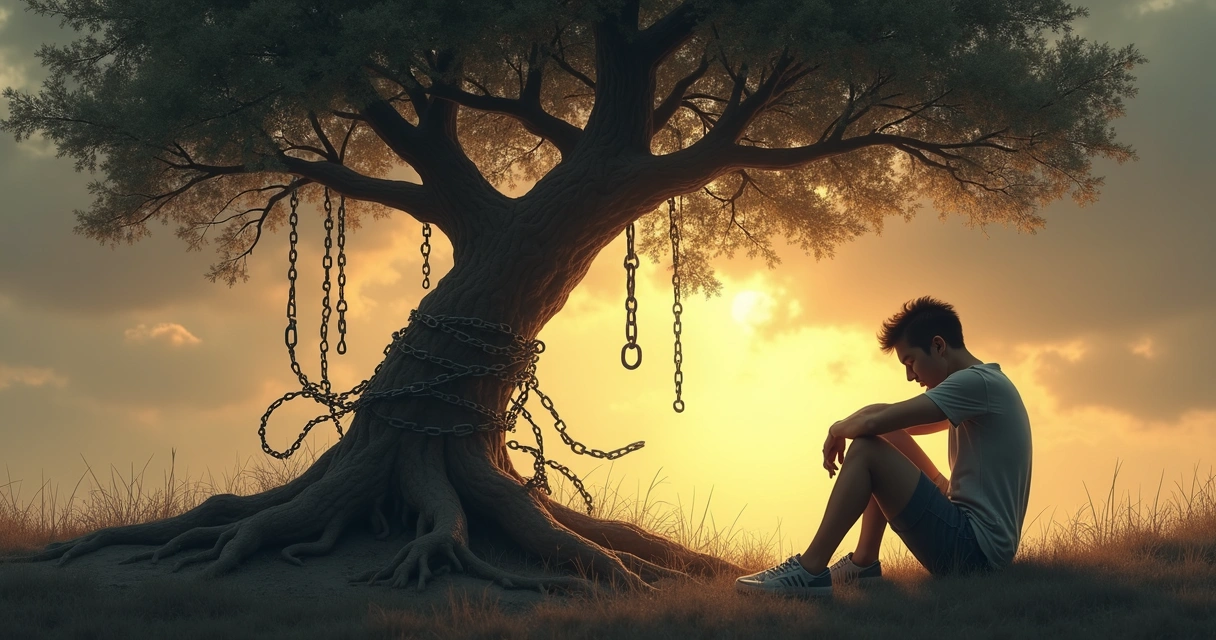
Why we stay stuck
From what we have observed, most people don’t stay trapped by choice. Painful patterns form to protect us from further harm, but over time, they can start to hurt more than they help. These wounds operate quietly in the background, influencing decisions, careers, and even health.
We often stay because facing soul pain feels uncomfortable, uncertain, or even unsafe at first. Fear keeps us rooted, and old beliefs whisper that change is out of reach. Yet, recognizing the signs is the first step toward something different.
What to do: The path from pain to healing
Acknowledging pain is not a sign of weakness. In fact, it takes courage to name what is really happening. Here are the steps we have seen bring healing and growth:
- Recognize the patterns. Begin by noticing recurring feelings and behaviors. Does a certain wound echo in your choices? Track your emotions and reactions for a week, and patterns may appear.
- Name the pain. Say it out loud or write it down. Giving the pain a name takes away some of its power.
- Practice self-kindness. Speak gently to yourself. Replace harsh self-talk with understanding. Small acts of kindness toward yourself lay the foundation for deep change.
- Seek healthy relationships. Healing doesn’t happen in isolation. Let supportive people in, practice setting boundaries, and learn what trust can look like.
- Create new inner stories. Notice the narratives held by your pain—like “I always get left behind” or “I’m not good enough.” Start creating fresh scripts that reflect both your past and your hopes.
- Allow for time. Soul pain rarely vanishes overnight. Give yourself permission to progress at your own pace.
If you are curious about practical steps for moving forward, see our page about soul healing for additional insights.
Grounding practices: Small shifts, big difference
We believe that small, daily practices help heal the pains of the soul. Try grounding exercises, mindfulness, or journaling. A moment of steady breathing, a quiet walk in nature, or a simple gratitude list puts distance between pain and the present moment.
Pay attention to the body. Tension, shallow breathing, and restlessness are often whispers from a soul in distress. Responding to these with calmness and compassion is a real gift to yourself.

For more on the signs of emotional pain, you can find a helpful guide on our emotional pain signs page.
Rewriting your story
Healing the pains of the soul is possible. Many people who once felt lost, stuck, or defined by their wounds have shifted toward lives filled with more meaning and connection. It starts small, with the simple act of noticing pain, speaking your truth, and caring for your inner world.
Healing begins the moment we say, 'This pain is mine, but it does not have to define me.'
Growth is not only possible—it is natural when given the right space and care.
Conclusion: Freedom from soul pain is within reach
Recognizing the 7 pains of the soul is not a call for blame but an invitation to greater awareness. We have witnessed the power of turning inward with honesty and hope, and we know change comes from the inside out. As we pay attention to these inner wounds and respond with understanding, the invisible chains loosen. New stories are possible, and so are new beginnings.
Frequently asked questions
What are the 7 pains of the soul?
The 7 pains of the soul refer to deep emotional wounds—rejection, abandonment, betrayal, humiliation, injustice, neglect, and loss. Each pain shapes our thoughts, behaviors, and relationships in subtle or obvious ways.
How do I know if I’m trapped?
Common signs include repeating negative patterns, struggling with trust, low self-worth, avoiding new experiences, and feeling persistently anxious or stuck. Awareness of these feelings and cycles is the first step in identifying if you are trapped by a soul pain.
What can I do to heal?
Start by recognizing patterns and naming your pain. Practice self-kindness, seek supportive relationships, rewrite old narratives, and use grounding practices. Healing is a process—patience and gentle consistency make a meaningful difference.
Are there signs of soul pain?
Yes, signs often show as emotional distress, physical symptoms, self-sabotage, perfectionism, and recurring relationship problems. Other people may notice you withdrawing, becoming guarded, or struggling to feel present or hopeful.
Where to get help for soul pain?
You may consider supportive relationships, therapeutic frameworks, or holistic approaches that address mind, body, and spirit. Community, education, and mindful self-development can all offer support on a healing journey.